Do striations on pétanque boules matter?
Striations change grip and help you spot your set, and the rules allow grooves up to 1 mm deep. What each maker offers and the pattern for pointers or shooters.
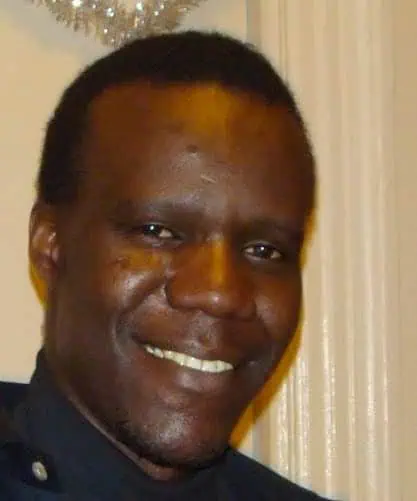
Samba discovered pétanque in Dakar. Years later, he rediscovered it in New York, playing with La Boule New Yorkaise in Bryant Park in 2012 and 2013.
His work keeps him traveling. Everywhere he went, he looked for a place to play and the information was always thin: scattered, outdated or missing. That gap became the reason for Pétanque Central.
He started building the site in 2023, and it launched in 2025. Pétanque Central pulls together rules, clubs, gear and tournaments into a single resource covering the US, Canada and Mexico, with a club directory spanning all three.
Samba is an active player focused on growing the sport through accessible, well-researched content.
Striations change grip and help you spot your set, and the rules allow grooves up to 1 mm deep. What each maker offers and the pattern for pointers or shooters.
Pétanque and cornhole compared on price, playing space, team size and accessibility, with the figures both governing bodies publish and the rules behind them.
Dylan Rocher and Jean-Pierre Subrenat won the 2026 US Open of Pétanque in Hoboken. Full results, bracket paths, the final on video and the prize money.
Dylan Rocher throws the Obut ATX at 73 mm and 680 g, and Diego Rizzi plays for Boulenciel. The boules, sizes and weights of today’s pétanque champions.
Philippe Quintais and Philippe Suchaud hold 14 world titles each. Meet the pétanque champions from 1959 to Dylan Rocher and the best North American results.
Plan a community pétanque event that runs on time: how many courts you need, which format fits your team count, time limits, check-in and promotion.
Start a pétanque league that lasts: pick a format for your team count, write a one-page rulebook, book courts, recruit players and affiliate with FPUSA.
New pétanque boules need play, not tricks. What changes in the first weeks, how carbon and stainless steel differ, safe care and why sanding breaks the rules.
Build a backyard pétanque court that drains and plays true: how much space you need, three builds from rope lines to layered gravel, borders and quantities.
How to stand in the pétanque circle: what the rules allow, when to squat or stand, feet, knees and hips, and the body mistakes that pull throws wide.
Plan a pétanque team-building or client event: courts per group size, gear, a rotating format that keeps everyone playing, a ten-minute lesson and hosting tips.
Settle pétanque disputes under the rules: who measures and with what, marking the jack and boules, equal boules, where to stand, complaints and penalties.
Stay sharp from the first game to the final: sleep before the event, what to eat and drink, heat and shade, what to do between games and how to keep focus.
Point consistently on loose gravel: choose the right throw, read the lane, what the rules let you touch, height and backspin, and a practice session that works.
Five pétanque drills for experienced players: the official precision shooting series, a pointing ladder, tactical points, pressure shooting and bad terrain.
Control distance in pétanque pointing: aim at a landing spot, keep one swing and change the height, adjust to firm ground, gravel and slopes, and practice.
Improve at pétanque on your own: the gear you need, solo pointing and shooting drills with scoring, how to read your misses and keep a log that shows progress.
Ten US pétanque destinations worth a trip, from the oldest West Coast club in Golden Gate Park to the Amelia Island Open, with when to go and who to contact.
Fix your pétanque shooting from where the misses land: short, long, left or right, grip and palm, swing and follow-through, body and head, plus a practice plan.
How the North American pétanque circuit works: FPUSA and Pétanque Canada events, the big opens, formats, membership, registration and your first tournament.
Simple balance and leg exercises that help your pétanque stance and everyday stability: weight shifts, one-leg stands, sit-to-stand, a warm-up and safety tips.
What boule weight, diameter and hardness mean, the official FIPJP limits, how pointers and shooters usually choose, and how makers rate soft and hard steel.
Adapt your pétanque throws to hard ground, fine and loose gravel, sand and wet terrain: pointing and shooting adjustments and what the rules let you touch.
What pétanque does for the body at any age: how hard a game works you, what it adds to balance and strength and how it fits weekly activity targets.
What to expect at your first pétanque tournament: how the day runs, the time limits, what to pack and the rules that catch new competitors out.
Ten pétanque practice drills for pointing, distance control, shooting and match pressure, each with a distance, a target and a simple score to track.
Five pétanque pointing drills with scores you can track: a three-zone target, a random jack, beating a point, playing behind the jack and a 50-boule test.
The seven mistakes new pétanque players make most often, from gripping the boule too hard to leaving the circle early, with a simple fix for each one.
Consistent pétanque shooting comes from one repeatable throw: pick your type of shot, build a short routine and practice with a score you can track.
How to find and join a pétanque club in the US or Canada: where to look, what a first visit is like, what membership involves and what to do without a club.
Simple pétanque strategy tweaks: count the boules, know when to shoot or point, use the jack throw, place boules with purpose and play to your roles.
What regular pétanque does for body, mind and social life, what health agencies say about activity and connection and how to make play a weekly habit.
Three ready-made pétanque practice sessions for intermediate players, with timings, drills and game scenarios, plus a simple weekly plan to follow.
How to clean, dry, oil and store pétanque boules so they last, with separate care for carbon and stainless steel and the treatments the rules forbid.
Pétanque Central is always looking for players who want to share their knowledge. Write about techniques, review gear or cover your local scene.
Your privacy choices
We use analytics, and may use advertising pixels, to understand how people use Pétanque Central. Choose what you allow and change it at any time. See our privacy policy.
Strictly necessary: always on. They keep the site working and remember this choice.
Google Analytics and Microsoft Clarity. Clarity records clicks, scrolling and page interactions to show how pages are used.
Social media and advertising pixels that measure our ads and may be used to show you ads on other sites.
Vos choix de confidentialité
Nous utilisons des outils d’analyse, et pourrions utiliser des pixels publicitaires, pour comprendre comment Pétanque Central est utilisé. Choisissez ce que vous autorisez et modifiez votre choix en tout temps. Consultez notre politique de confidentialité.
Strictement nécessaires : toujours actifs. Ils font fonctionner le site et mémorisent ce choix.
Google Analytics et Microsoft Clarity. Clarity enregistre les clics, le défilement et les interactions pour montrer comment les pages sont utilisées.
Pixels des réseaux sociaux et de publicité qui mesurent nos annonces et peuvent servir à vous montrer des publicités sur d’autres sites.
Tus opciones de privacidad
Usamos herramientas de análisis, y podríamos usar píxeles publicitarios, para entender cómo se usa Pétanque Central. Elige lo que permites y cámbialo cuando quieras. Consulta nuestra política de privacidad.
Estrictamente necesarias: siempre activas. Mantienen el sitio en funcionamiento y recuerdan esta elección.
Google Analytics y Microsoft Clarity. Clarity registra clics, desplazamiento e interacciones para mostrar cómo se usan las páginas.
Píxeles de redes sociales y publicidad que miden nuestros anuncios y pueden usarse para mostrarte anuncios en otros sitios.